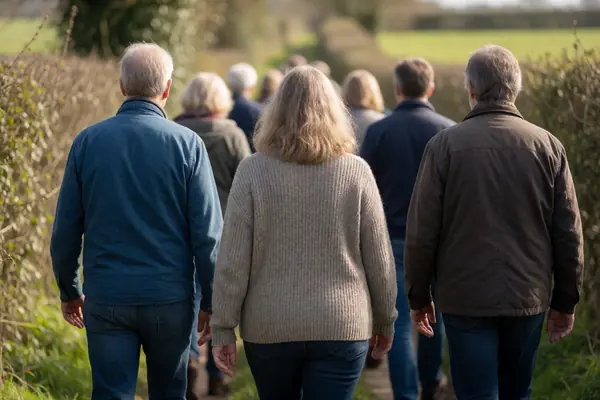
WHAT IT IS
A gap, not a headcount
The ONS uses a definition of loneliness as a subjective, unwelcome feeling of lack or loss of companionship: a mismatch between the relationships we have and those we want.
Lonely vs alone
 godislovelifeishard
AN INDEPENDENT GUIDE
COMMON and it can pass
Loneliness is common, and it can pass.
Official statistics find that about 7% of adults in England feel lonely often or always, and that younger adults report it more than older ones. This independent guide sets out what the figures and NHS guidance say, and where support can be found.
Updated
See who it affectsTHE SHORT ANSWER
The ONS defines loneliness as an unwelcome feeling.
The NHS stresses it is common and can pass.
WHAT IT IS
The ONS uses a definition of loneliness as a subjective, unwelcome feeling of lack or loss of companionship: a mismatch between the relationships we have and those we want.
Lonely vs aloneWHO IT AFFECTS
In England, adults aged 16 to 24 were the most likely to report feeling lonely often or always in 2024/25, at 9%.
See by ageWHAT CAN HELP
NHS Every Mind Matters suggests keeping in touch, joining a group, doing things you enjoy, sharing feelings and volunteering.
The NHS tipsGeneral information only, not medical advice. For advice about your own health, speak to a doctor, pharmacist or other qualified health professional.
LONELINESS BY AGE
Pick an age group to see the share of adults in England who said they feel lonely often or always. The England average was 7%.
Figures from the Community Life Survey 2024/25, official statistics for England, adults aged 16 and over. General information only, not medical advice.
TWO NUMBERS WORTH KNOWING
One national figure,
one gap the survey found.
≈ 7%
Adults lonely often or always
6.6% of adults said they feel lonely often or always, a small but significant fall from 7.1% in 2023/24. 21% said they never feel lonely.
ENGLAND · COMMUNITY LIFE SURVEY 2024/25
14% vs 3%
Lonely often or always
Disabled adults (14%) were more likely than non-disabled adults (3%) to report feeling lonely often or always.
DISABILITY · COMMUNITY LIFE SURVEY 2024/25
The survey also found loneliness higher in the most deprived areas (11%) than the least deprived (4%), and in urban (7%) than rural areas (5%).
WHAT THE NHS SUGGESTS
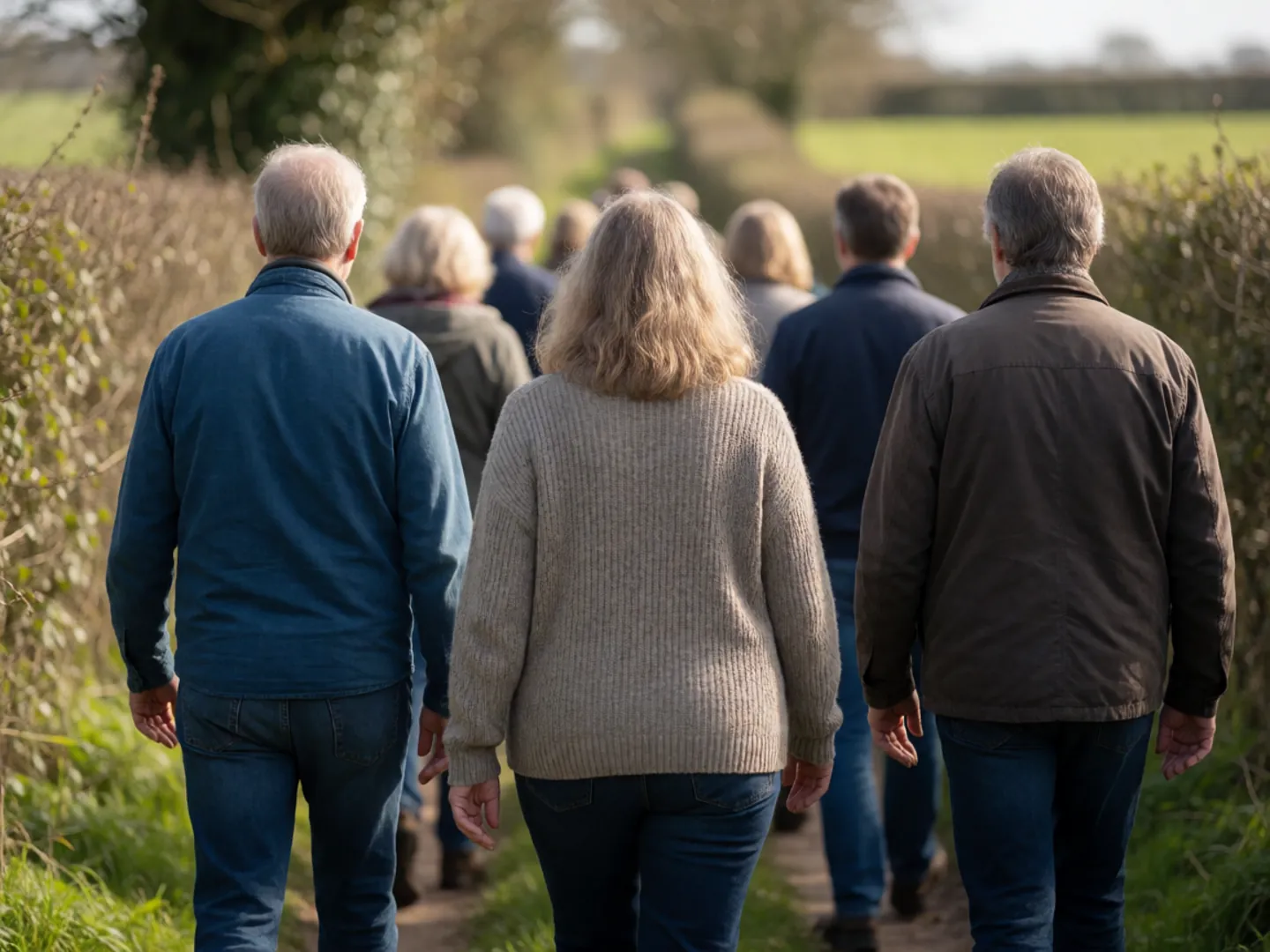
These are drawn from the NHS Every Mind Matters page on loneliness. They are general suggestions, not personal advice.
Regular chats with friends and family can help, and can help the person you contact too.
Look for groups in person or online built around something you like or want to try.
Talking openly can help. Try not to compare yourself with what others post on social media.
Think of someone else who might be lonely. Volunteering is another way to meet people.
LONELY OR ALONE?

The ONS says loneliness and social isolation are different. Loneliness is the subjective feeling; isolation is how often we are actually alone. They can overlap, but a person can feel lonely in a busy room, and be content on their own.
NHS Every Mind Matters describes emotional loneliness (no close attachment), social loneliness (no friends to share interests with) and existential loneliness (feeling alone among people you know). Some feel it only at times like Sundays or Christmas; others all the time.
Questions
In the Community Life Survey 2024/25, 7% of adults said they feel lonely often or always, and 21% said they never do. Levels were higher than in 2013/14 to 2017/18 (4.9% to 5.6%).
Not according to these figures. In 2024/25 adults aged 16 to 24 (9%) and 25 to 34 (8%) were more likely than average to feel lonely often or always, and those aged 65 to 74 (4%) least likely.
The NHS lists life changes such as bereavement or a break-up, going to university, staying home with a newborn, a long-term health condition, or becoming a full-time carer. Sometimes there is no obvious cause.
Samaritans can be called free, any time, on 116 123. NHS Every Mind Matters also lists Silverline (over-55s), The Mix (under-25s), Mind and befriending services. If you need urgent help, the NHS has an urgent support page.
No. godislovelifeishard is an independent informational guide. It is not a church, ministry, charity or health service, and it quotes NHS and official statistics with links.
Sources
ABOUT THIS NAME
godislovelifeishard.com is part of the DoodleSale portfolio. It isn't in an auction right now, but you can ask about leasing it.